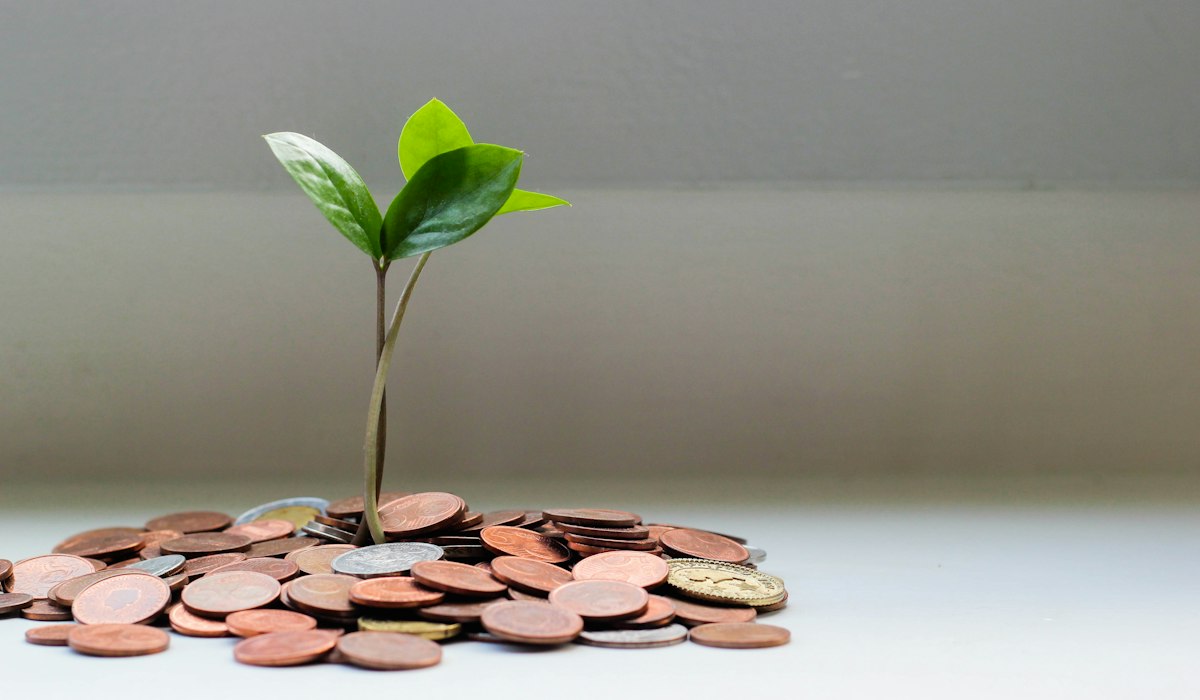


Most personal finance challenges are not mathematical problems; they are behavioral ones. Elementary financial mathematics is straightforward: spend less than you earn, invest the surplus in productive assets, and let compounding do the heavy lifting.
Yet millions of intelligent, hard-working professionals find themselves constantly stressed about money. The gap between knowing what to do and executing it consistently stems from our daily micro-habits. By restructuring your financial environment and installing automated behaviors, you can make financial stability the path of least resistance.
The Psychology of Financial Avoidance
When personal finances become chaotic, the human brain instinctively adopts avoidance coping: refusing to check bank balances, leaving unopened credit card statements on the kitchen counter, and hoping problems resolve themselves.
Avoidance fosters chronic background anxiety. The antidote to avoidance is radical, transparent awareness through low-friction routines.
Habit 1: The Weekly Financial Check-In
Set a recurring, 10-minute calendar appointment every Sunday morning. Make it an enjoyable ritual: pour your favorite coffee, open your accounts, and review three specific items:
- Every transaction processed across your accounts over the preceding seven days.
- Upcoming fixed bills due in the next fourteen days.
- Current account balances relative to your monthly targets.
Conducting this weekly review takes fewer than ten minutes, but it completely removes financial surprises. Fraudulent charges are caught immediately, recurring subscriptions are flagged, and you begin every week in full command of your cash flow.
The Power of Friction: Slowing Down Impulse Spending
Retailers and technology companies invest billions optimizing digital platforms to remove all friction between an impulse and a transaction. Biometric facial recognition, stored payment credentials, and same-day delivery exploit our evolutionary preference for instant gratification.
To protect your wealth, you must deliberately reintroduce friction into your consumer habits:
- Delete Stored Credit Cards from Browsers and Apps: Forcing yourself to physically stand up, locate your wallet, and manually type sixteen digits disrupts automated shopping trances.
- Unsubscribe from Marketing Broadcasts: Marketing emails are designed to manufacture artificial urgency through “limited-time” flash discounts. Remove the visual temptation entirely.
- Adopt the One-In, One-Out Policy: Before purchasing a new item of apparel, electronics, or home decor, commit to selling or donating a comparable item you already possess. This curb reduces consumer clutter while forcing thoughtful evaluation.
Shift from Status Consumption to Freedom Consumption
Modern society conditions us to measure professional success through conspicuous consumption: luxury vehicles, high-end designer labels, and sprawling suburban square footage. Unfortunately, high-consumption lifestyles often mask fragile personal balance sheets funded entirely by debt.
True wealth is what you do not see. It is the unspent investment portfolio, the fully paid-off home, the emergency cash reserve, and the freedom to decline toxic work environments.
| Mindset Metric | Status Consumption | Freedom Consumption |
|---|---|---|
| Primary Motivation | Signaling prestige to peers and neighbors | Building sovereignty, security, and autonomy |
| Financial Consequence | Depreciating assets, debt, career entrapment | Compounding assets, passive income, options |
| Emotional State | Chronic treadmill anxiety, lifestyle inflation | Peace of mind, confidence, stress reduction |
Automate Everything That Matters
Human willpower is a finite cognitive resource that depletes rapidly under workplace stress and daily fatigue. If saving money requires active, conscious self-restraint at the end of every exhausting day, failure is almost guaranteed.
Automation eliminates reliance on willpower:
- Automatically split your direct payroll deposit so a percentage flows directly into a separate high-yield account before reaching your spending account.
- Automate monthly contributions to diversified low-cost index funds.
- Automate full monthly payments for credit card statement balances.
When your wealth-building habits operate automatically in the background, your financial health improves while you sleep, work, and spend quality time with the people you love.
Frequently Asked Questions
How do I avoid lifestyle inflation when I receive a salary raise?
Implement the 50% raise rule: when you receive an income increase, allocate 50% of the net raise toward advancing long-term wealth goals (investments or debt payoff) and allow yourself to enjoy the remaining 50% for modest lifestyle upgrades guilt-free.
Why is financial avoidance so common, and how do I break it?
Avoidance is a natural human stress response to feeling overwhelmed or ashamed about money. Break the cycle by establishing a non-judgmental 10-minute weekly financial check-in with your favorite beverage, focusing purely on awareness rather than self-criticism.
What is habit stacking in personal finance?
Habit stacking links a new financial routine to an existing daily habit. For example: “Right after I open my email on Monday morning, I will spend two minutes reviewing my bank account balance.” Anchoring to established habits drastically increases consistency.

Tanisha
Tanisha specializes in practical personal finance, intentional saving strategies, household budgeting systems, and beginner-to-intermediate investment fundamentals. With a background in financial education and consumer economics, she translates complex wealth-building principles into actionable, step-by-step guides for everyday readers.
View all articles by Tanisha →