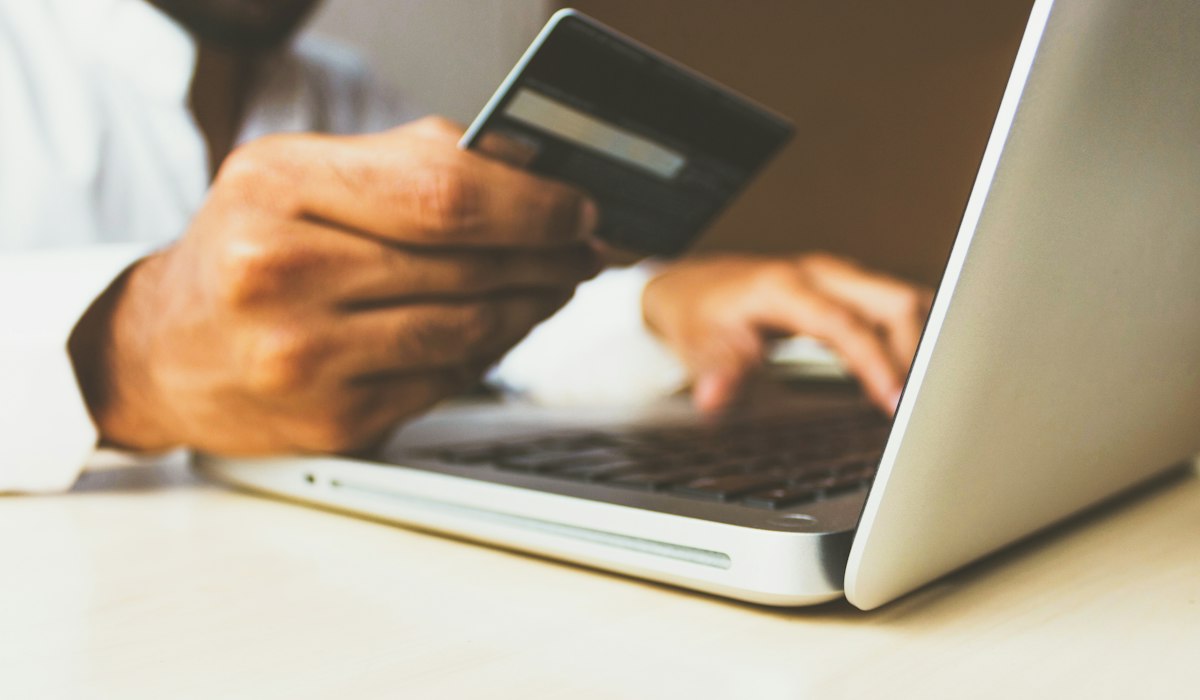


For generations, banking was defined by physical proximity: walking into a neighborhood branch during limited “banker’s hours,” waiting in velvet-roped teller lines to deposit a paper check, and waiting days for transactions to reflect on printed monthly statements.
Over the past decade, a wave of digital disruption has rewritten retail banking. The convergence of cloud infrastructure, open banking APIs, smartphone ubiquity, and neobank competition has transformed banking from a physical destination into an invisible, real-time utility in your pocket.
The Rise of Neobanks and Branchless Architecture
The most visible change in the banking landscape is the emergence of neobanks (digital-only financial institutions without legacy physical branches). Companies like Chime, Revolut, Monzo, and Ally Bank operate entirely via native mobile applications.
By eliminating the massive real estate, maintenance, and staffing costs associated with physical branch networks, digital-first banks have rewritten the economics of consumer banking:
- Zero Maintenance Fees: Monthly service charges and minimum balance requirements have been largely eliminated.
- Superior Savings Yields: Competitive high-yield savings interest rates are credited daily and monthly directly into user vaults.
- Fee-Free ATM Access: Partner networks (such as Allpoint and MoneyPass) provide tens of thousands of surcharge-free cash dispensers globally.
Smart Features Transforming Money Management
Digital banking is far more than a digital facsimile of a paper ledger. Modern banking platforms integrate intelligent software features designed to eliminate financial stress:
1. Real-Time Instant Transaction Notifications
In legacy banking, a debit card swipe could take two to three business days to clear, making balance tracking an exercise in guesswork. Modern digital banking sends a push notification to your phone within half a second of a terminal authorization. If an unauthorized charge occurs, you know immediately.
2. Virtual Sub-Accounts and “Savings Pockets”
Traditional banks forced users to lump all cash into a single opaque balance. Digital platforms allow you to partition savings into dedicated virtual sub-accounts (e.g., “Auto Repair Fund,” “Property Taxes,” “Summer Vacation”). Visual separation prevents accidental raiding of designated sinking funds.
3. Automated Round-Up Micro-Investing
Modern apps automatically round every point-of-sale debit transaction up to the nearest dollar, sweeping the difference into high-yield vaults or low-cost index portfolios. Saving becomes an unconscious byproduct of everyday living.
4. Dynamic Virtual Disposable Cards
To protect against digital merchant data breaches, many fintech applications generate temporary virtual card numbers with custom spending limits that expire after a single use. If a merchant’s server is hacked, your primary account number remains completely insulated.
Essential Digital Banking Cybersecurity Practices
While digital banking delivers unprecedented convenience, it also concentrates financial risk onto your mobile device. Fortify your digital banking perimeter with these non-negotiable security habits:
- Mandate Multi-Factor Authentication (MFA): Never rely on SMS text codes for authentication, as SMS is vulnerable to SIM-swap attacks. Use an authenticator app (like Google Authenticator or hardware YubiKeys).
- Avoid Public Wi-Fi Networks for Transactions: Never conduct banking business on unsecured hotel, coffee shop, or airport Wi-Fi networks without an encrypted Virtual Private Network (VPN).
- Beware Social Engineering Phishing: Legitimate financial institutions will never call, text, or email you requesting your password, PIN, or full one-time authorization passcode. Treat all inbound urgent communications with healthy skepticism.
Frequently Asked Questions
Are digital neobanks as safe as traditional brick-and-mortar banks?
Legitimate neobanks partner with chartered, regulated sponsor banks that provide standard statutory deposit insurance (like FDIC or FSCS). Always verify that your digital banking provider explicitly discloses its insured partner bank relationship.
What are virtual disposable card numbers and why should I use them?
Virtual cards are temporary digital card numbers linked to your account with custom spending limits. If an online merchant suffers a server data breach, your primary banking credentials remain completely insulated and safe.
Why should I avoid using public Wi-Fi for mobile banking transactions?
Unsecured public Wi-Fi networks in airports, hotels, and cafes can be intercepted via man-in-the-middle attacks. Always use cellular mobile data or an encrypted VPN when accessing financial banking portals.

Shivam
Shivam focuses on stock market mechanics, banking infrastructure, consumer credit, corporate finance, and global macroeconomic developments. He combines analytical rigor with journalistic clarity to unpack monetary policy, loan structures, market cycles, and business fundamentals for both new investors and seasoned market watchers.
View all articles by Shivam →